When a leadership team moves as one, workforce decisions land differently
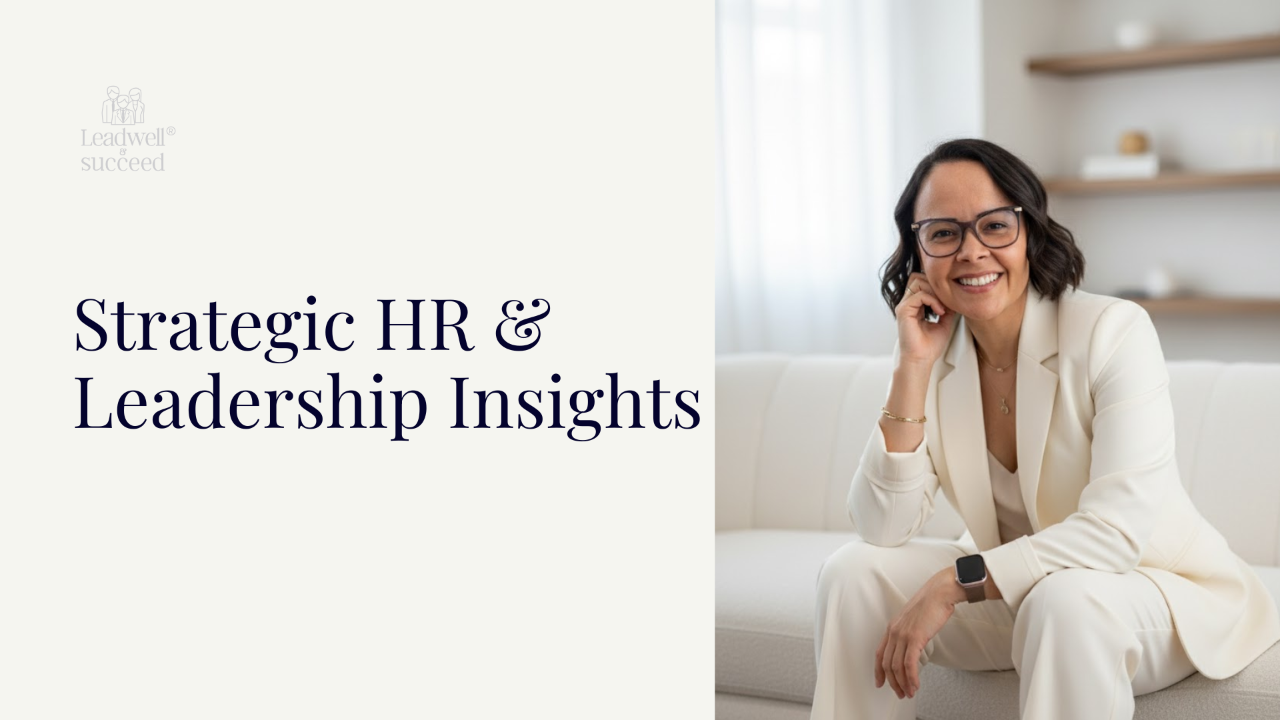
I have sat in rooms where this happens.
A CEO brings the leadership team together to shape a workforce decision that will influence the next years of growth. Around the table sits deep expertise and full commitment. The Chief Finance Officer is focused on cost and capacity. The Chief Operating Officer on delivery and structure. The Head of Sales on growth and customer demand. The Head of Technology on capability and future readiness.
Every lens matters and every voice belongs in the room.
And yet without a shared picture of what the decision truly requires, the conversation stretches in different directions. There is energy, insight and genuine intent and still no clear landing point.
I see this moment consistently across growing organisations. It is not a question of capability. The leaders are talented and committed. It is a question of alignment.
What I observe when this happens
In most leadership teams I work alongside, workforce decisions begin as a collection of strong perspectives. Each function brings what matters most within its world. The discussion becomes a series of valid arguments rather than a single unified line of thinking. Time is invested, insight is shared, options are explored. And still the decision feels heavier than it should.
What is missing is not information. It is the shared frame that pulls every perspective into one direction. One that sets the context for what the organisation is stepping into. Clarifies what success looks like in real terms. And shapes where focus will sit and what will not be pursued in this period of growth.
When that frame is present, something shifts in the room. Leaders still bring their perspectives, but those perspectives connect into a broader picture. The conversation moves from what matters to each function toward what matters to the organisation.
One of the hardest things I see leadership teams navigate is deciding collectively what to say no to. Not what to deprioritise or defer, but what the organisation is genuinely not going to pursue in this season of its growth. That conversation requires a level of trust, clarity and shared purpose that does not always exist naturally around a leadership table and it rarely emerges from the meeting itself without the right conditions being in place first.
What changes when the right thinking is alongside the team
When I work alongside a leadership team through a decision like this, the conversation becomes more focused and more fluid. There is space to step back and see the whole organisation. There are questions that bring forward what has not yet been said. Each leader stays fully engaged in their own role while also stepping into a broader view.
Individual priorities are recognised and then placed into the full picture. What emerges is not a compromise. It is a clear path forward that every leader can stand behind. That collective ownership carries into execution. Teams feel it quickly. Decisions land with strength because they come from alignment at the top.
What this builds over time
When leadership teams build the habit of working this way, something meaningful develops. Decisions come together with greater clarity. Conversations reach the point that matters faster. Leaders move forward with shared intent. The organisation responds with confidence because it can feel the alignment at the top.
This is not about a single decision. It is about building a way of operating that supports every decision that follows. A leadership team shows its strength in how it leads the organisation together, especially in the moments that shape the workforce and the future.
When that alignment becomes natural, it creates a foundation for growth, focus and execution that extends well beyond any single room or any single decision.
If your leadership team is navigating a significant workforce decision right now, this is the conversation worth having first.
What would it mean for your organisation if your leadership team moved into that next decision as one?